The Child in the Centre of Scientific Attention
The global research elite—mainly cognitive scientists and psychologists—debated at NCU how children perceive and understand the world. Topics included emotions, trust, and the relationship with caregivers.
„Perspectives on Child Development: Social Learning and Interaction” is an international interdisciplinary conference organized by Prof. Arkadiusz Gut and Prof. Marta Białecka at the Department of Cognitive Science and the Institute of Psychology, NCU. Toruń hosted distinguished researchers from Poland and abroad, including Paul L. Harris (Harvard University), Francisco Pons (University of Oslo), Fabrice Clément (University of Neuchâtel), Arvid Kappas (Constructor University), Prof. Ewa Haman, Prof. Katarzyna Lubiewska, and Prof. Agnieszka Pluta (University of Warsaw). The guests and speakers were outstanding scholars specializing in child development, social learning, and social interaction. The event provided an opportunity for the exchange of knowledge and experience among representatives of academia, education, and institutions supporting child and youth development.
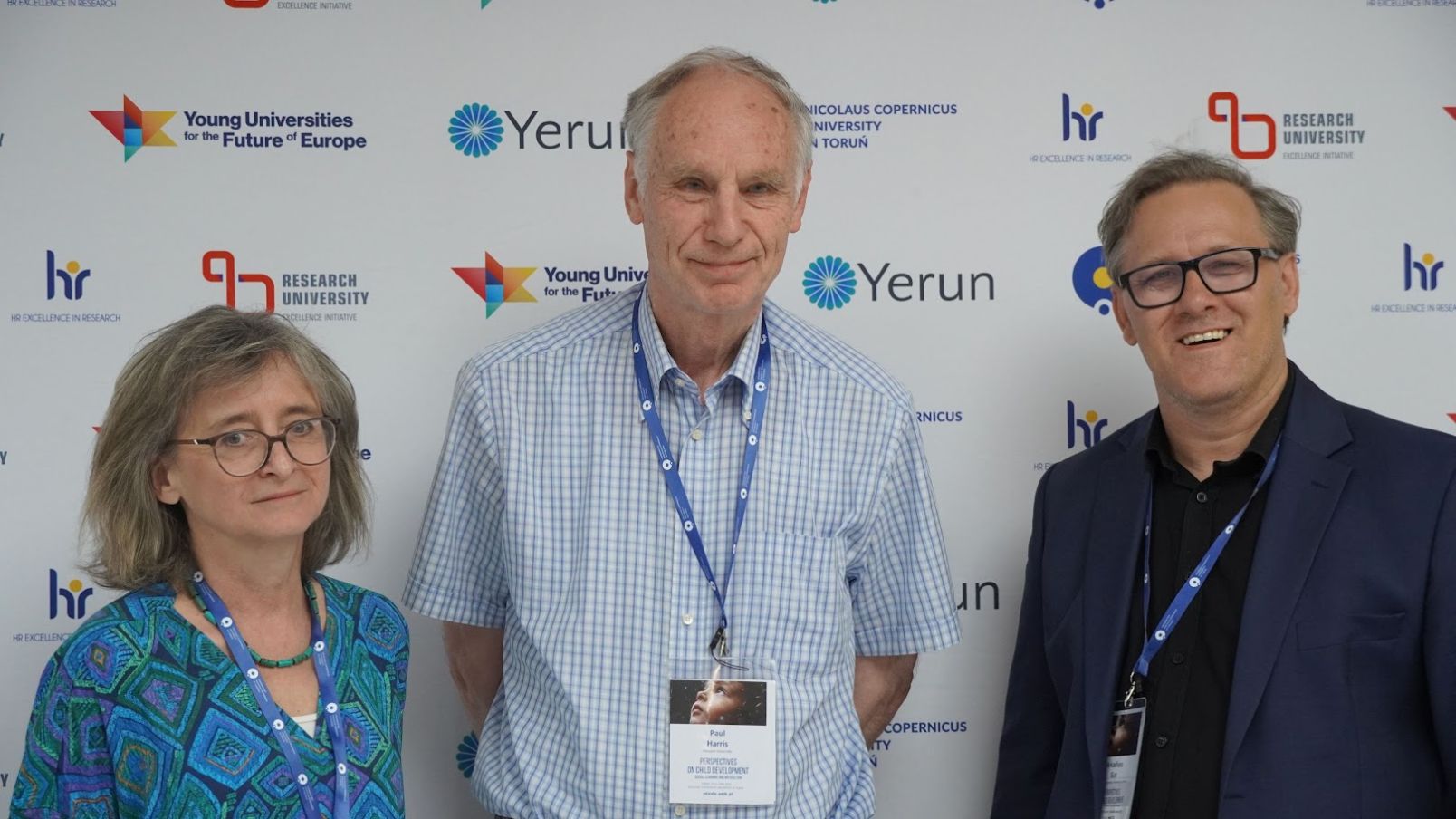
„The conference fostered interdisciplinary dialogue between developmental psychology, cognitive science, neuroscience, and related fields by exploring the developmental roots of trust, communication, mentalization, emotional understanding, and cultural learning,” explains Prof. Arkadiusz Gut, Head of the Department of Cognitive Science at NCU. „Through keynote lectures, thematic sessions, and open discussions, we highlighted both foundational and cutting-edge research on how social interactions shape the developing mind.”
Children’s cognition of the world
The conference was opened by the Vice-Rector for International Relations, Prof. Magdalena Barwiołek. She emphasized the importance of experimental research on child development conducted at the Department of Cognitive Science and the Institute of Psychology at NCU, and highlighted the pivotal role of cognitive science in Toruń in integrating numerous research projects and scientific initiatives. The inaugural lecture, „Testimony: Young children’s selective trust: established findings and new questions,” was delivered by Prof. Paul L. Harris from Harvard University, one of the world’s leading developmental psychologists.
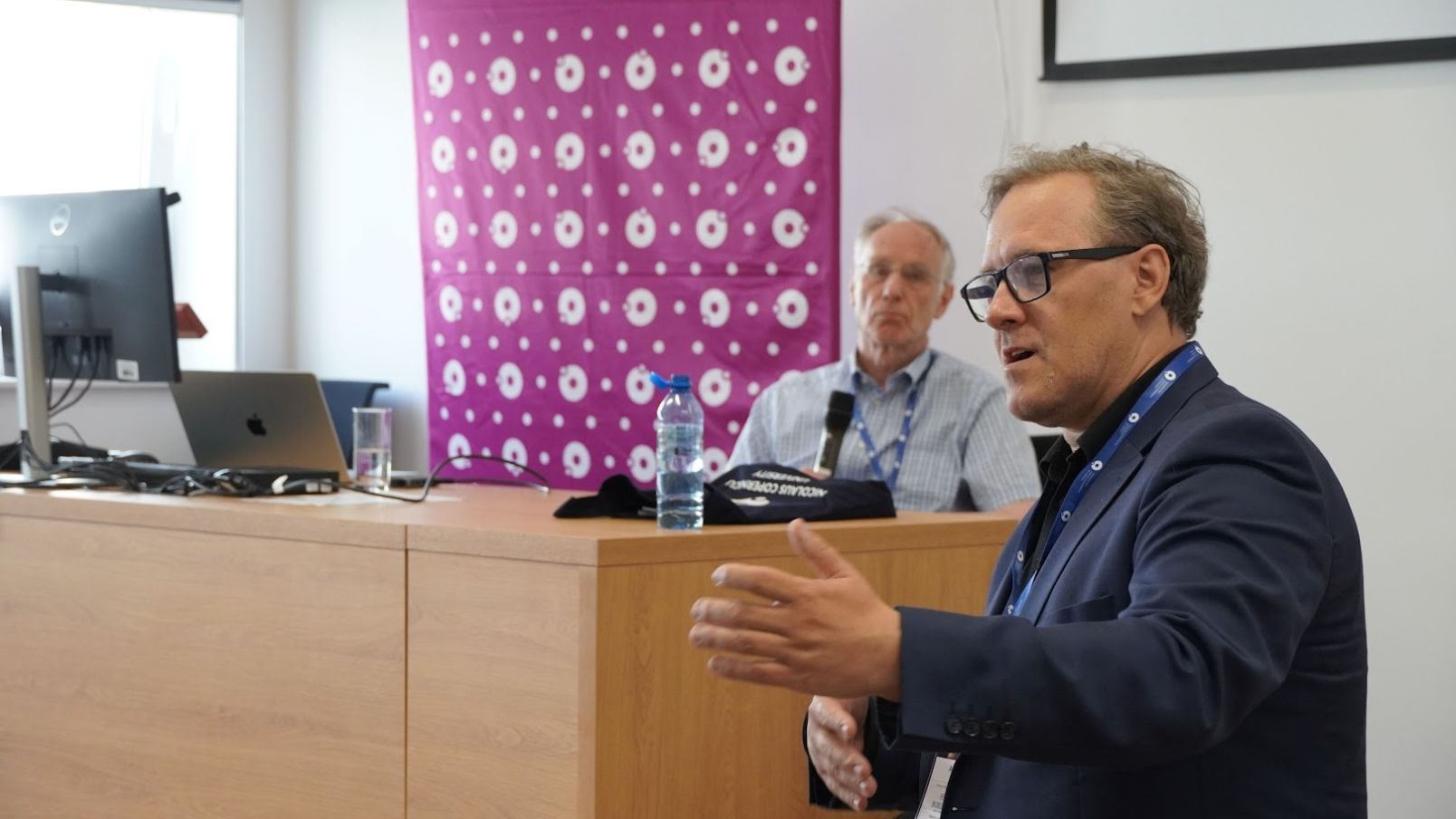
Central to our discussions were questions regarding how children develop trust, learn about emotions, and recognize the intentions of others—both humans and artificial agents, such as robots or virtual avatars. The research presented during the meeting revealed complex mechanisms of emotional, behavioral, and neural synchronization between child and caregiver, utilizing advanced techniques such as EEG and fNIRS,” explains Prof. Gut. „We also reflected on the fact that research on child development is often limited to samples from the Global North, overlooking cultural and social diversity, which may lead to simplified and non-universal conclusions.
The international assembly also sought appropriate frameworks, tools, and experiments designed to advance research into the cognitive, emotional, and linguistic development of children from their earliest years. Significant attention was devoted to the child-caregiver relationship in the context of attachment formation, highlighting the numerous mechanisms through which culture and visions of parenthood—brought by caregivers into their interactions—influence the child. The discussions also covered the latest research on the synchronization of behavioral and emotional states, as well as biological and neural rhythms between caregiver and child, utilizing measurement methods encompassing behavioral and physiological indicators, along with neural measurements via electroencephalography (EEG) and fNIRS.
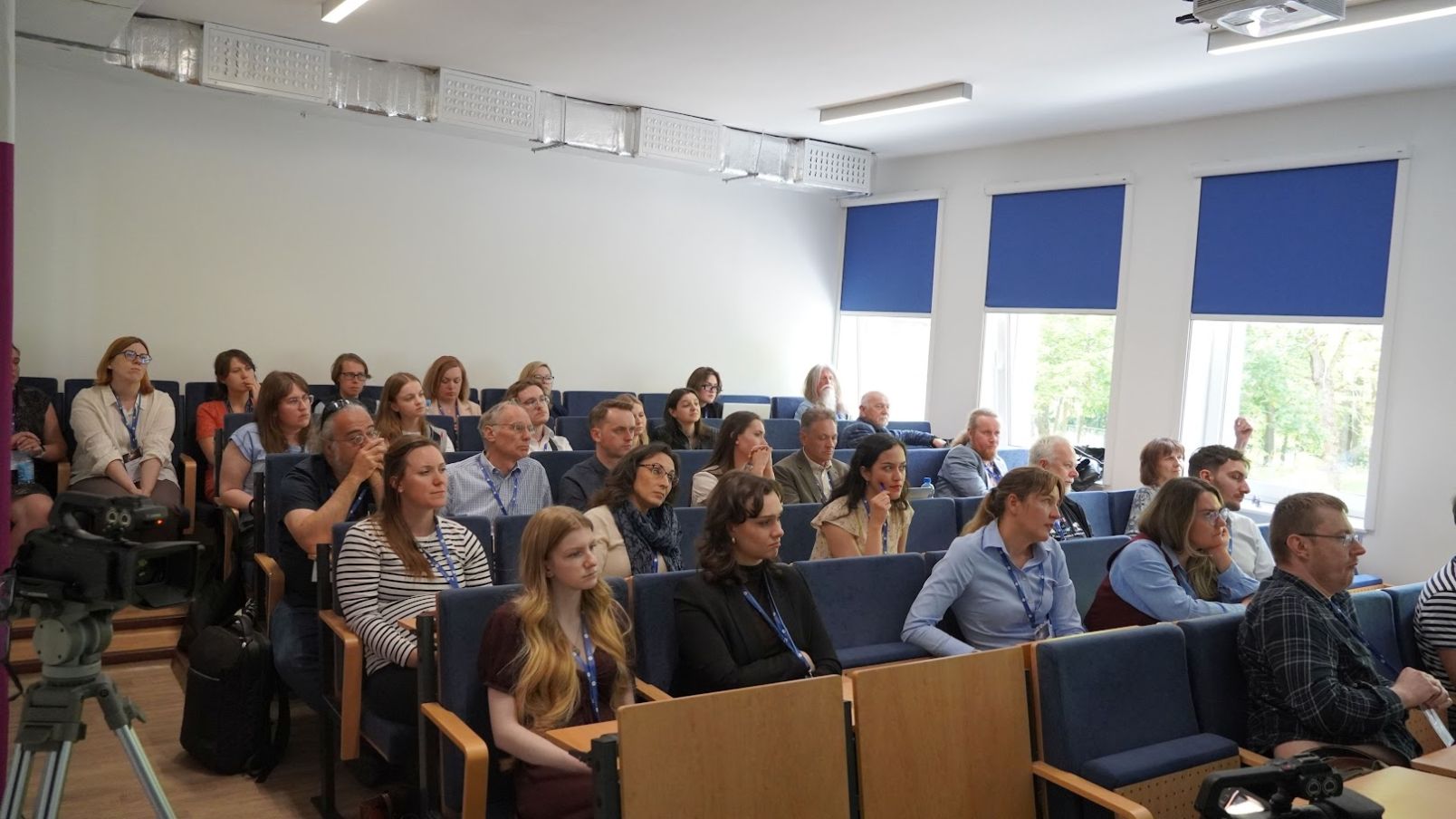
– We discussed, among other things, how children evaluate the credibility of information provided by others and how they develop knowledge about other social agents. We also considered the extent to which they trust the testimony of others—on one hand, when learning about scientific facts such as germs or viruses, and on the other, regarding religious phenomena like God or the afterlife. Do children assign a different status to scientific and religious phenomena?” says Prof. Gut. „We examined research indicating that the foundation of successful social interactions, such as peer acceptance, relies not only on understanding emotions through facial expressions but also on relying on situational cues that the child must sense. From a very young age, children understand that the emotional consequences of a given situation are not fixed—they can change, or even reverse, depending on a broader temporal perspective.
The conference organizers unanimously agree that this meeting has strengthened the position of Toruń and the Nicolaus Copernicus University as a key point on the international map of human development science.
- Source: https://portal.umk.pl
- Conference website: https://minds.umk.pl.
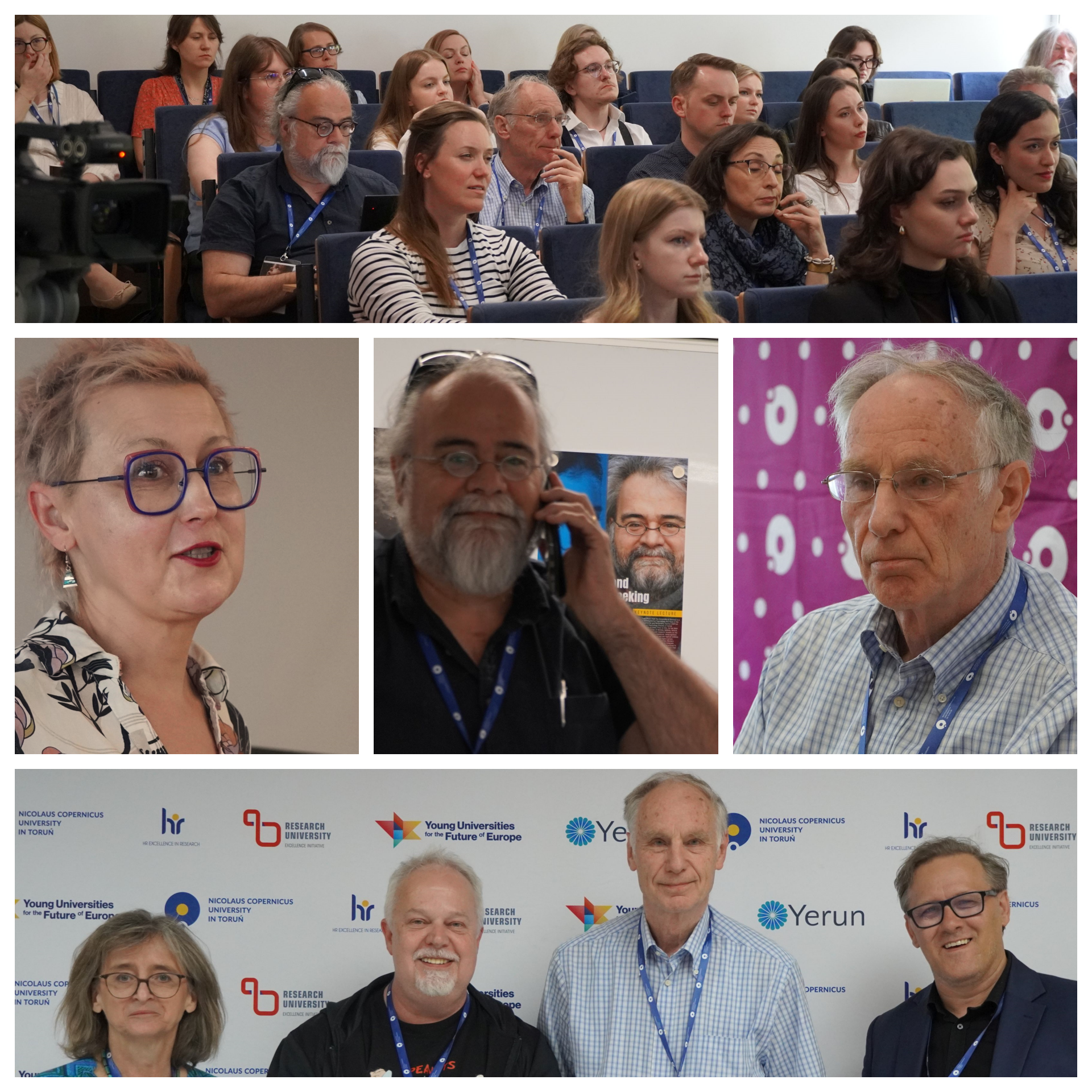
- Photo Gallery


0 komentarzy